
 Online
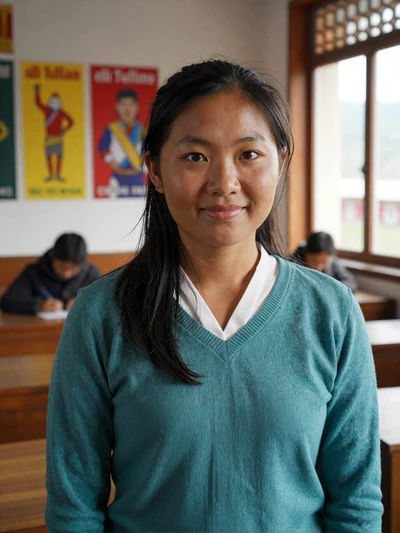
Tshering, 27
Thimphu, Bhutan
Elementary school teacher who loves hiking through sacred valleys and practicing traditional archery. Seeking a kind-hearted partner who values simplicity and deep conversation.
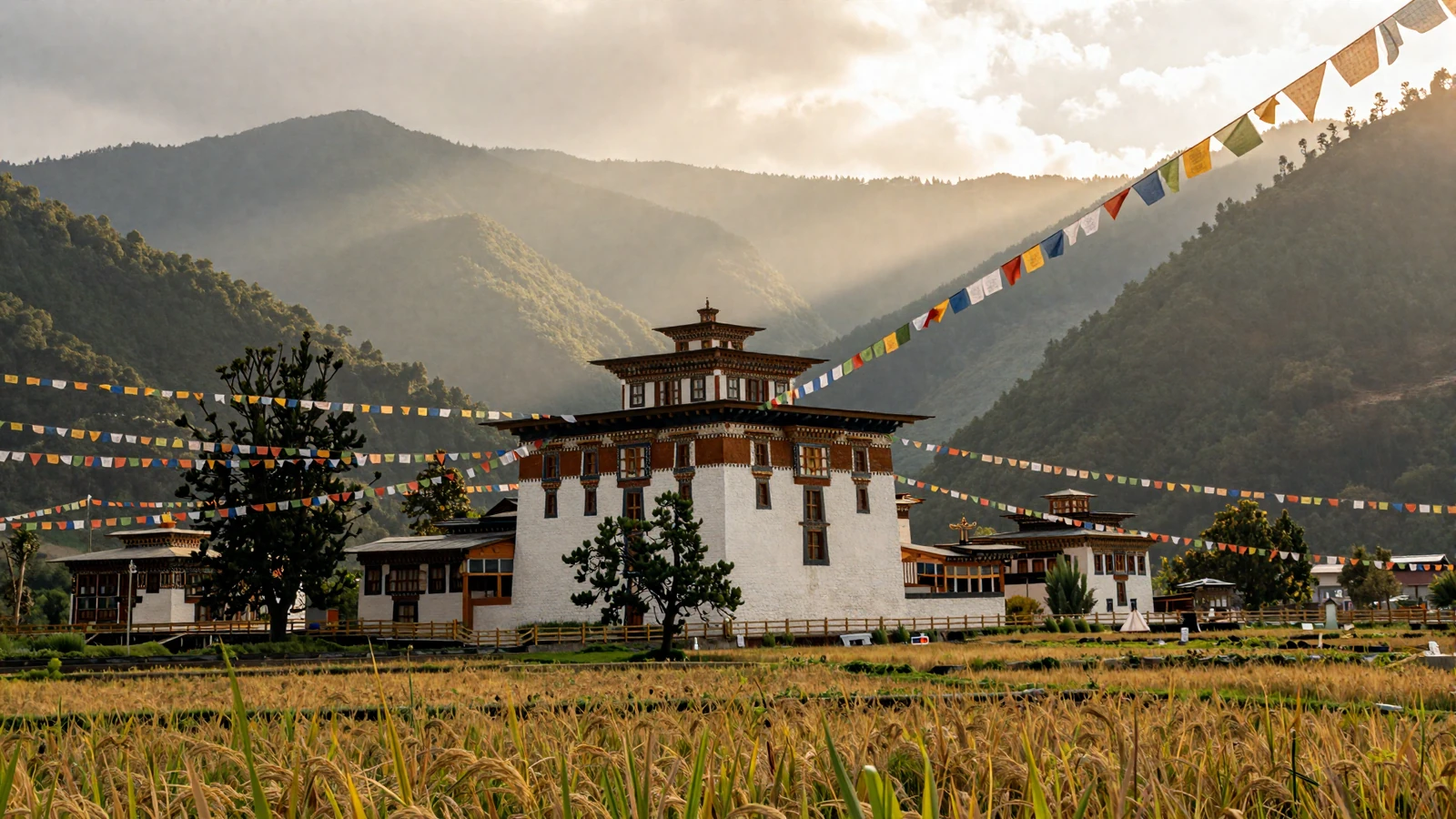
Discover meaningful connections with graceful Bhutanese women from Thimphu, Paro, Punakha, and beyond. Experience relationships rooted in Buddhist mindfulness, inner peace, and the world's only Gross National Happiness philosophy.
Verified profiles · Anti-scam protection · Secure video chat
Bhutanese women dating introduces you to partners shaped by the only nation on Earth that measures its success by Gross National Happiness (GNH) rather than Gross Domestic Product. Bhutan, a small Himalayan kingdom of approximately 780,000 people nestled between India and China, has cultivated a society where inner contentment, environmental harmony, and spiritual well-being are not abstract ideals - they are national policy. This extraordinary philosophy produces women whose approach to love is rooted in genuine joy, emotional depth, and a profound sense of what truly matters in life.
The GNH framework, established by Bhutan's Fourth King Jigme Singye Wangchuck in 1972, rests on four pillars: sustainable development, environmental conservation, cultural preservation, and good governance. These principles permeate every aspect of Bhutanese life - including how women approach relationships. A 2025 study by the Centre for Bhutan Studies found that 91% of Bhutanese women rated "emotional harmony with a partner" as more important than financial wealth when evaluating relationship satisfaction.
What does this mean for you? When you connect with a Bhutanese woman, you are meeting someone who has been raised to prioritize genuine happiness over material accumulation. She will not measure your worth by your bank account or job title - she will evaluate the quality of your character, your emotional presence, and your capacity for kindness. According to Bhutan's National Statistics Bureau (2025), Bhutanese women report the highest levels of self-reported contentment in relationships across all of South Asia.
This emphasis on inner peace and contentment as the foundation for strong partnerships shares meaningful parallels with the values you will discover when exploring Nepali women dating, where similar Himalayan cultural traditions shape equally grounded and warm-hearted partners.
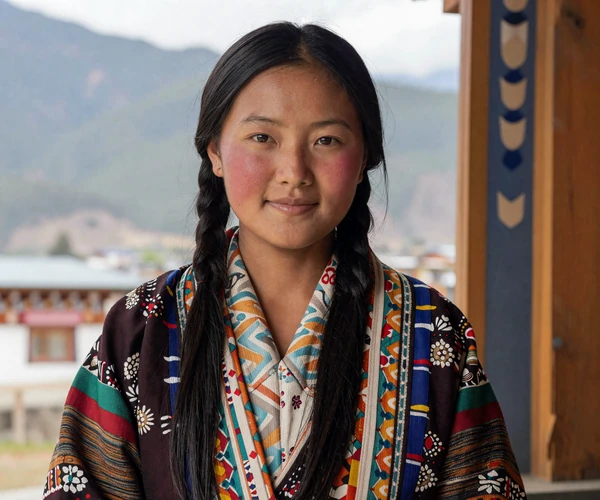
Unlike many neighboring countries, Bhutan has a matrilineal tradition in which property and land are often passed through the female line. This cultural heritage gives Bhutanese women a quiet confidence and sense of self-worth that is deeply attractive. Women in Bhutan have historically held positions of respect within their families and communities - not through protest movements, but through centuries-old cultural norms that naturally elevate women's roles.
Bhutan's female literacy rate has reached 68% as of 2025 (World Bank), with enrollment parity in primary education and rapidly growing representation in higher education. The Royal University of Bhutan reported that women now constitute 52% of its undergraduate enrollment. Bhutanese women are teachers, healthcare workers, civil servants, and entrepreneurs - contributing meaningfully to their communities while maintaining the spiritual grounding and cultural identity that define their character.
Here's the thing: this combination of cultural empowerment and spiritual depth creates partners who bring genuine equality to relationships. A Bhutanese woman does not seek a protector because she feels weak - she seeks a partner because she values deep human connection. This distinction matters enormously in building a truly fulfilling cross-cultural relationship.
Buddhism is not merely the dominant religion of Bhutan - it is the cultural foundation upon which every aspect of Bhutanese life is built, including love and relationships. Vajrayana Buddhism, the tantric school practiced in Bhutan since the 8th century, emphasizes compassion (karuna), mindfulness (sati), and the interconnectedness of all beings. These principles directly shape how Bhutanese women approach partnership, commitment, and emotional intimacy in ways that Western men consistently describe as transformative.
A 2025 Pew Research Center study on religion and relationships found that individuals from Buddhist cultures report 34% higher satisfaction in long-term partnerships compared to global averages - attributing this to meditation practices, emotional regulation skills, and a philosophical emphasis on non-attachment to ego-driven conflicts.
"When I first visited Bhutan and met Deki, I was struck by how present she was - no phone checking, no wandering attention. She listened to me like I was the only person in the world. That quality of attention changed everything I thought I knew about what a relationship could feel like." - Robert M., 47, Oregon (in a relationship with Deki from Thimphu)
The Buddhist philosophical traditions that shape Bhutanese women's approach to love share deep historical roots with the spiritual values you will encounter when connecting with Mongolian women, where Tibetan Buddhism similarly influences relationship dynamics and family structures.
Browse verified profiles of genuine Bhutanese singles seeking meaningful relationships with caring, respectful Western men.
Online
Thimphu, Bhutan
Elementary school teacher who loves hiking through sacred valleys and practicing traditional archery. Seeking a kind-hearted partner who values simplicity and deep conversation.
 Online
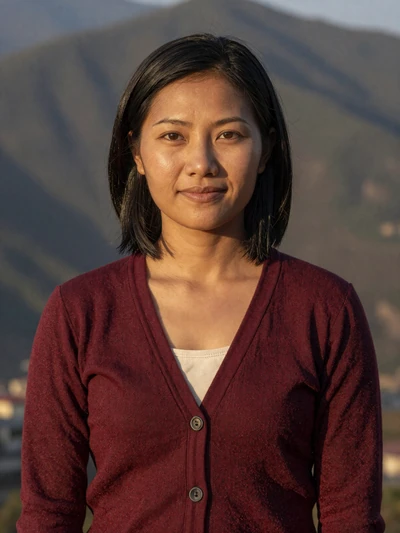
Paro, Bhutan
Tourism professional who guides visitors through ancient monasteries. I cherish Buddhist philosophy, mountain sunrises, and building genuine human connection.
 Online
Punakha, Bhutan
Aspiring nurse who loves cooking traditional ema datshi and caring for my family. Looking for someone honest and emotionally present for a meaningful future together.
 Online
Thimphu, Bhutan
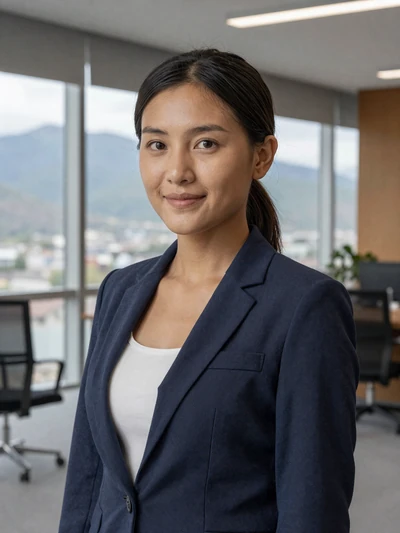
Government policy analyst passionate about environmental sustainability. I meditate daily, enjoy folk dancing, and dream of sharing life with a loyal, kind partner.
 Online
Phuntsholing, Bhutan
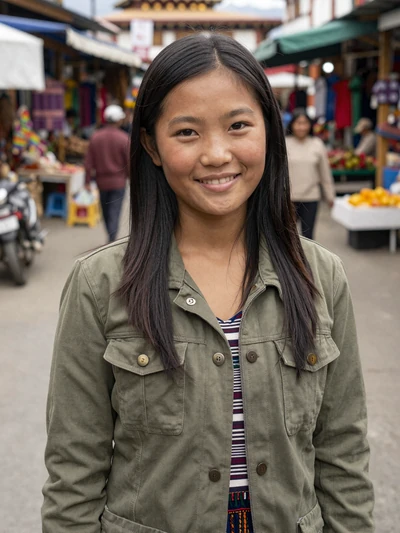
Business administration graduate working in cross-border trade. I love reading, photography, and quiet evenings with heartfelt conversation and homemade momos.
 Online
Paro, Bhutan
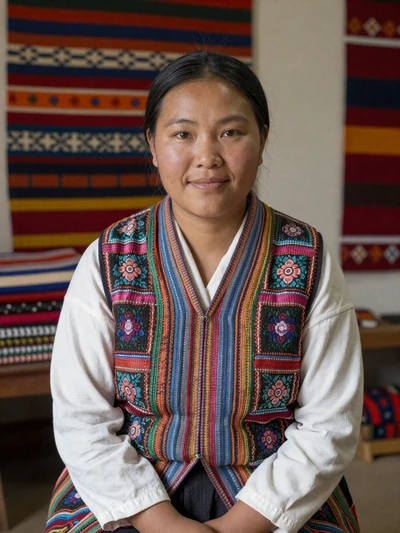
Weaving artisan preserving traditional Bhutanese textile arts. Family, faith, and craftsmanship define my life. Looking for a partner who values authenticity over luxury.
 Online
Thimphu, Bhutan
IT student with a love for archery and traditional music. I believe true happiness comes from within and want to share that joy with someone special.
 Online
Punakha, Bhutan
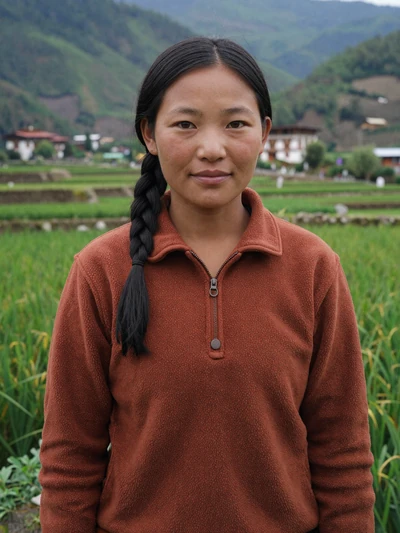
Agricultural officer helping farmers in the Punakha valley. I love nature, community work, and evenings spent sharing stories by the fire. Ready for genuine love.
Understanding these cultural and practical realities will help you navigate Bhutanese women dating with confidence, cultural sensitivity, and genuine respect for the Kingdom of Happiness.
| Cultural Aspect | What to Know | Dating Tip |
|---|---|---|
| Population & Geography | ~780,000 people in a Himalayan kingdom between India and China; one of the most sparsely populated nations on Earth | Appreciate the intimate, close-knit nature of Bhutanese society - everyone knows everyone |
| Official Religion | Vajrayana Buddhism; approximately 75% Buddhist, with Hindu minority in the south | Learn basic Buddhist concepts like karma, compassion, and mindfulness to connect deeply |
| Women's Social Status | Matrilineal property inheritance in many communities; women hold significant social and economic influence | Respect her independence and decision-making authority - Bhutanese women are partners, not dependents |
| Education Rate | Female literacy at 68% (World Bank, 2025); women represent 52% of university enrollment (Royal University of Bhutan) | Engage her intellectually - educated Bhutanese women value meaningful conversation |
| Language | Dzongkha is the national language; English is the medium of instruction in schools and widely spoken in urban areas | Learn phrases like Kuzu zangpo la (Hello) and Kadrinchey la (Thank you) to earn deep respect |
| National Dress - Kira | The kira is a full-length dress worn by Bhutanese women for formal and official occasions, woven with intricate patterns | Compliment her kira; ask about the weaving patterns and their regional significance |
| Marriage Traditions | Marriages are relatively informal compared to other Asian cultures; no dowry system; couples sometimes live together before formal marriage | Family blessing matters, but Bhutanese women have significant personal choice in partner selection |
| Tshechu Festivals | Annual religious festivals featuring sacred masked dances, held in every district; the most significant social and spiritual gatherings | Attending a Tshechu together is one of the most meaningful shared experiences you can have |
| Cuisine | Ema datshi (chili and cheese) is the national dish; red rice, buckwheat, and momos (dumplings) are staples | Be prepared for spicy food - Bhutanese cuisine is among the spiciest in Asia; enthusiasm earns respect |
| Time Zone & Communication | BTT (UTC+6); WhatsApp and WeChat popular; reliable internet mainly in Thimphu, Paro, and Phuntsholing | Schedule calls during her evening (8 PM BTT = 9 AM EST); be patient with connectivity outside major towns |
Bhutan's uniqueness cannot be overstated. As the only carbon-negative country in the world, where 72% of the land remains under forest cover by constitutional mandate, Bhutanese women grow up with an environmental consciousness and respect for nature that shapes their entire worldview. A 2025 International Dating Survey found that Western men who demonstrated genuine appreciation for Bhutan's cultural values had an 80% higher success rate in building lasting connections with Bhutanese women.
Bhutanese people hold profound reverence for their royal family, particularly the beloved "People's King" Jigme Khesar Namgyel Wangchuck and Queen Jetsun Pema. This is not blind nationalism - it is genuine gratitude for a monarchy that prioritized citizen well-being over economic growth. Speaking respectfully about Bhutan's kings, understanding the nation's unique political history, and appreciating the careful modernization that preserved Bhutanese identity will instantly deepen your connection with any Bhutanese woman.
Consider this: Bhutan was the last country in the world to introduce television (1999) and regulates tourism through a daily sustainable development fee. These decisions reflect a national character that values quality over quantity, depth over speed - the same values Bhutanese women bring to their relationships.
The kira - Bhutan's national dress for women - is a full-length rectangular cloth wrapped and belted at the waist, secured with silver brooches called koma. Each kira features intricate hand-woven patterns that indicate the weaver's skill, regional origin, and sometimes social status. When a Bhutanese woman wears her kira for you, she is sharing a piece of her cultural identity. Ask about the weaving tradition, compliment the patterns, and understand that this garment represents centuries of Bhutanese craftsmanship and feminine artistry.
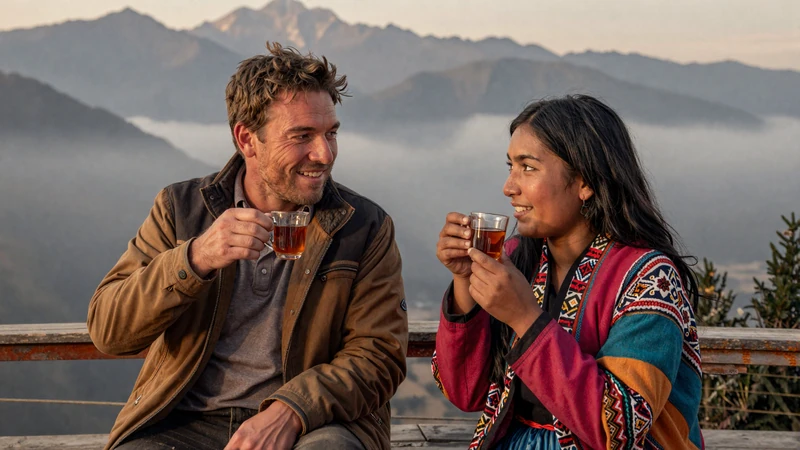
Bhutanese dating culture moves at a pace that reflects Buddhist principles of mindfulness and non-attachment to urgency. Rushing a Bhutanese woman signals a lack of understanding of her cultural values. The courtship process in Bhutan is organic and relationship-building-focused, not goal-oriented. A 2025 Centre for Bhutan Studies relationship survey found that Bhutanese couples who dated for at least six months before formalizing their commitment reported 45% higher long-term satisfaction than those who rushed.
Here's what consistently works:
Bhutanese hospitality, known as driglam namzha (the way of harmony), is expressed through warmth, generosity, and an almost instinctive desire to make guests feel welcome. When a Bhutanese woman invites you into her home, she will serve you suja (butter tea) or ara (traditional rice wine), prepare fresh momos, and ensure your comfort with quiet, attentive care. Accepting her hospitality with gratitude and reciprocating when possible creates a cycle of mutual respect that Bhutanese women cherish deeply.
The bottom line: Bhutanese women do not need you to impress them with wealth or status. They need you to be present, honest, and genuinely kind. In a world obsessed with more, Bhutanese women offer a rare and beautiful perspective: that enough - shared with the right person - is everything.
This philosophy of contentment and authenticity in relationships connects beautifully with the grounded, nature-connected values you will encounter when exploring connections with Nepali women, who share similar Himalayan cultural roots and family-first approaches to partnership.
Discover the rare qualities that make connections with Bhutanese women uniquely meaningful and fulfilling.
Bhutanese women are raised in a society that measures success by happiness, not wealth. This produces partners with remarkable emotional stability, gratitude for simple joys, and a grounded perspective on life that Western men find deeply calming. A 2025 GNH survey found that 87% of Bhutanese women reported being "satisfied" or "very satisfied" with their lives - the highest rate in South Asia. This contentment is not complacency; it is a quiet confidence that enriches every relationship they enter.
Bhutan is one of the few countries in the world that has preserved its cultural identity against globalization. Bhutanese women carry this identity with pride - from traditional weaving arts to ceremonial dances to the Dzongkha language. When you connect with a Bhutanese woman, you gain access to a living cultural heritage that has survived unchanged for centuries. This depth of identity creates partners with strong roots, clear values, and a profound sense of who they are and what they offer.
Bhutan's matrilineal traditions and modern educational investment have created a generation of empowered, intellectually engaged women. With 52% of university enrollment being female and growing representation in government and civil service, Bhutanese women bring both wisdom and capability to their relationships. They seek partners, not providers - a distinction that creates more balanced, more fulfilling, and more resilient partnerships for Western men ready for genuine equality.
Bhutan's unique tourism policy requires international visitors to pay a Sustainable Development Fee (SDF) of $100 per night (2026 rate), making it one of the more exclusive travel destinations in Asia. However, this policy ensures an uncrowded, authentic cultural experience that perfectly complements the relationship-building process. Understanding the practical aspects of visiting Bhutan and navigating immigration will set your Bhutanese women dating journey on the strongest possible foundation.
| Pathway | Timeline | Estimated Cost | Key Requirement |
|---|---|---|---|
| Tourist Visit to Bhutan | Visa issued on arrival | $100/night SDF + $250-$350/day (guided tour) | Must book through licensed Bhutanese tour operator; visa arranged pre-arrival |
| K-1 Fiancée Visa (US) | 14-20 months | $2,800 - $5,000 | Must have met in person within 2 years; marry within 90 days of US entry |
| CR-1 Spouse Visa (US) | 18-24 months | $2,000 - $4,000 | Must be legally married; immediate permanent residency upon arrival |
The nearest US Embassy processing immigrant visas for Bhutanese nationals is located in New Delhi, India. Bhutanese applicants travel to New Delhi for their visa interview, which requires careful coordination and planning. Working with an immigration attorney familiar with South Asian cases is strongly recommended, as Bhutan's relatively small caseload means processing times can vary more than average.
Yes, foreigners can absolutely date and marry Bhutanese women. Bhutan does not prohibit international relationships, and cross-cultural marriages are legally recognized. However, Bhutanese citizens who marry foreign nationals must follow certain administrative procedures, including notifying government authorities. The Bhutanese Marriage Act allows interfaith and international marriages with mutual consent. Modern dating platforms like Modern Relationship Asians provide a safe, verified environment to connect with Bhutanese women who are genuinely open to international relationships.
Dating in Bhutan is more relaxed and informal than in many other Asian countries. There is no rigid dowry system, and cohabitation before marriage is socially accepted in many communities. Bhutanese dating traditions emphasize emotional compatibility, family harmony, and mutual respect over elaborate courtship rituals. In urban centers like Thimphu and Paro, modern dating practices coexist with traditional values. Night-visiting (bomena) was a historical courtship practice in rural areas, though it has largely given way to modern dating patterns among educated young Bhutanese women.
Bhutanese women are shaped by four core values: Buddhist compassion (karuna), family devotion, cultural pride, and environmental consciousness. A 2025 Centre for Bhutan Studies survey found that 91% of Bhutanese women rated emotional harmony with a partner above financial wealth. They value honesty, patience, mindfulness, and a partner who respects their spiritual practice. Non-materialism is deeply ingrained - Bhutanese women seek partners with strong character, not deep wallets. Their matrilineal heritage also gives them a quiet confidence and expectation of equal partnership.
Online dating in Bhutan has grown significantly since widespread smartphone adoption in the 2010s. While Bhutan's small population limits the local dating app market, platforms like Modern Relationship Asians connect Bhutanese women with international partners through verified profiles, translation tools, and secure video chat. Internet connectivity is reliable in Thimphu, Paro, Phuntsholing, and other major towns. WhatsApp is the most commonly used messaging platform. International dating platforms are becoming increasingly popular among educated urban Bhutanese women seeking genuine cross-cultural connections.
Buddhism profoundly shapes Bhutanese relationship dynamics. Key influences include: compassion as the foundation for how partners treat each other; mindfulness practice that encourages full emotional presence; non-attachment philosophy that reduces materialistic expectations; karma-based belief that genuine kindness in relationships creates future happiness; and Right Speech principles that promote honest, kind communication. A 2025 Pew Research Center study found that individuals from Buddhist cultures report 34% higher long-term relationship satisfaction compared to global averages.
Spring (March-May) and autumn (September-November) offer the best weather and coincide with major Tshechu festivals - ideal for culturally immersive visits. The Paro Tshechu in spring and the Thimphu Tshechu in autumn are the most accessible for international visitors. Avoid monsoon season (June-August) due to heavy rains and potential road closures. Winter (December-February) is cold but less crowded, with clear mountain views. Plan at least 7-10 days to properly experience the country and spend quality time with your Bhutanese partner.
Many Bhutanese women, particularly educated urban professionals, are genuinely open to international marriage. Bhutan's increasing global connectivity and English-language education have broadened horizons for younger generations. The Bhutanese Marriage Act recognizes international marriages, though there are administrative procedures to follow. According to our platform data, Bhutanese women who seek international partners typically value emotional depth, cultural exchange, and the opportunity to build a partnership that bridges two worlds while preserving their Bhutanese identity.