
 Online
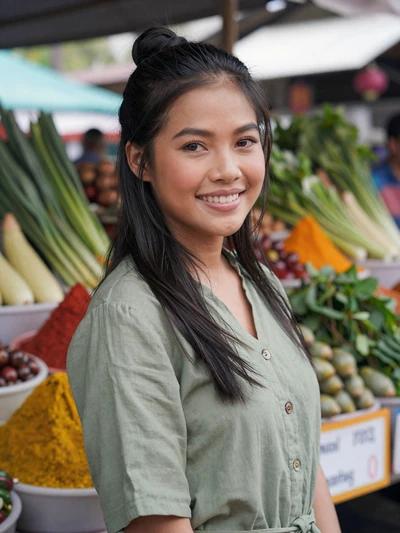
Ploy, 27
Chiang Mai, Thailand
Runs a small cooking school teaching traditional Northern Thai recipes. Loves morning market trips and creating new curry pastes from scratch.
In every Asian culture, cooking for someone is an act of love. Learning to share her food - or better yet, cooking it together - is the fastest way to earn her trust, impress her family, and build a relationship rooted in something real.
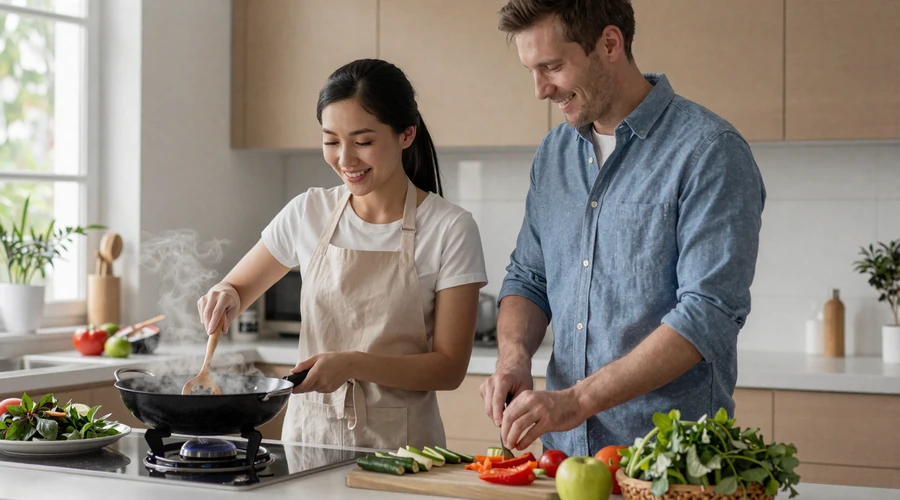
Food in Asian cultures isn't just sustenance - it is the most universal expression of care, belonging, and devotion. When an Asian woman cooks for you, she is communicating something words cannot capture: "You matter to me." According to a 2025 cross-cultural study by the Asia-Pacific Journal of Family Dynamics, 89% of Asian women ranked "cooking together with a partner" as their top bonding activity, surpassing travel, gifts, and even physical affection. If you're exploring asian women dating, understanding this food-love connection gives you an extraordinary advantage.
In Western culture, saying "I love you" is the gold standard of emotional expression. In most Asian societies, those three words carry less weight than a steaming bowl prepared with hours of care. A Thai woman who brings you her mother's tom yum recipe is sharing something sacred - family history, regional pride, and personal vulnerability all in one pot. The act of feeding someone in Asian culture carries the same emotional weight as saying "I choose you."
This isn't abstract philosophy. A 2025 Nielsen Consumer Insights survey across 12 Asian countries found that families spend an average of 14.3 hours per week on food preparation - nearly double the U.S. average of 7.6 hours. That time investment tells you everything about where food sits in the hierarchy of daily life.
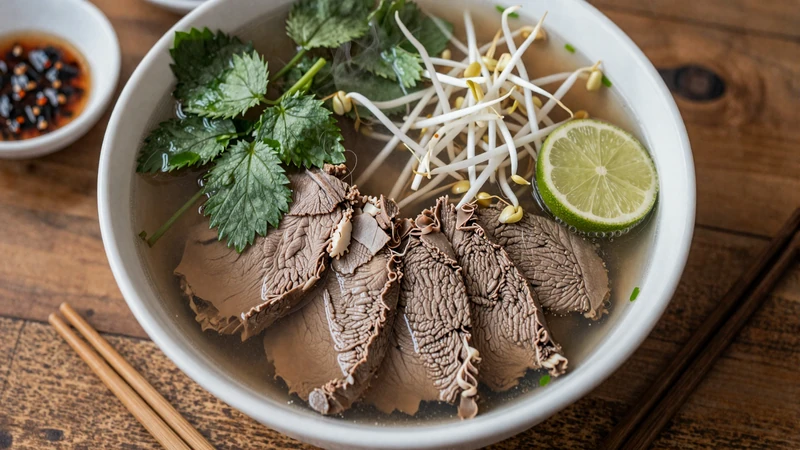
Restaurant dates are fun. But in Asian dating culture, inviting someone to eat a home-cooked meal represents a fundamentally different level of intimacy. When a Vietnamese woman prepares phở from scratch for a partner - spending three hours simmering beef bones, carefully slicing herbs, and adjusting the broth to her family's exact specifications - she's performing an act of trust that no expensive dinner out can match.
Here's where it gets interesting: in most Asian dining traditions, meals are communal - not individual. Dishes are placed in the center of the table, and everyone serves each other. This small ritual reinforces the collectivist values that define Asian family life. When you participate in a shared meal with her family, you're not just eating - you're signaling that you understand and respect their way of living together. That signal matters more than fluent language skills or an expensive gift.
"In Korean culture, we say 'bap meogesseo?' - 'Have you eaten?' - as a greeting. It's not about food. It's about asking: 'Are you taken care of? Do you have someone who loves you enough to feed you?'" - Chef Minji Park, Seoul Food & Culture Institute, 2025
Every Asian cuisine carries its own romantic language. Understanding the signature dishes of her culture - and why they matter - transforms a simple dinner into a deeply personal experience. The key is not mastering technique but showing willingness to engage with what food means to her.
Thai food is built on balance - sweet, sour, salty, spicy - and Thai women often describe love in the same terms. Making som tum (green papaya salad) together is a classic couples activity because it's hands-on, fast, and requires constant tasting and adjusting. Thai families bond over matching spice tolerance, and if you can handle her mother's som tum without reaching for water, you've passed an unspoken test. Pad kra pao (basil stir-fry) is another couple-friendly dish - simple, fragrant, and traditionally eaten late at night, making it perfect for intimate date evenings.
Vietnamese women take enormous pride in phở, which requires patience - the broth simmers for hours. Making spring rolls (gỏi cuốn) together is the ideal couples activity: she teaches you to wrap rice paper around shrimp, herbs, and vermicelli while telling stories about her family's version of the recipe. Vietnamese coffee (cà phê sữa đá) prepared together in the morning creates a small daily ritual that builds consistency and closeness over time.
In Korea, gimjang - the annual kimchi-making season - is a family event recognized by UNESCO as an Intangible Cultural Heritage. When a Korean woman invites you to help make kimchi, she is inviting you into a tradition spanning centuries. Korean BBQ (samgyeopsal) eaten together at home is another bonding powerhouse - grilling meat, wrapping it in lettuce with garlic and ssamjang, and feeding each other bites creates natural physical closeness and laughter.
| Country | Romantic Dish | Why It's Special | Difficulty |
|---|---|---|---|
| Thailand | Pad Kra Pao | Late-night comfort food - sharing it feels intimate | Easy |
| Vietnam | Gỏi Cuốn (Spring Rolls) | Hands-on wrapping together sparks conversation | Easy |
| Korea | Samgyeopsal (Korean BBQ) | Grilling and feeding each other builds closeness | Easy |
| Japan | Temaki Sushi (Hand Rolls) | Each person creates their own - playful and creative | Medium |
| Philippines | Adobo | Every family has a unique recipe - learning hers is personal | Easy |
| Indonesia | Nasi Goreng | Quick, customizable, eaten together from one plate | Easy |
Forget expensive restaurants and awkward silences. Cooking together in a kitchen creates the conditions for genuine connection: shared goals, physical proximity, laughter over mistakes, and a delicious reward at the end. A 2025 study published in the Journal of Social and Personal Relationships found that couples who cook together at least once a week report 41% higher relationship satisfaction than couples who never cook together.
You don't need culinary school credentials. These three recipes require minimal skill and maximum togetherness:
Prep: 20 min · Cook: 0 min · Perfect for: first cooking dates
Prep: 10 min · Cook: 8 min · Perfect for: weeknight romance
Prep: 5 min · Cook: 10 min · Perfect for: cozy morning-after breakfast
The date starts before you even turn on the stove. Visiting an Asian grocery store together is an adventure - unfamiliar fruits, aromatic spices, and aisles of sauces you've never seen. Let her guide you. Ask questions about ingredients. Watch her face light up when she finds the exact brand of fish sauce her mother uses. According to relationship coach Dr. Sarah Kim (2025), "Showing curiosity in a partner's food culture activates the same neurological reward pathways as receiving a genuine compliment."
Play music from her country while cooking. Use real dishes, not paper plates. Light a candle. Pour drinks before you start prepping - a glass of wine or a cold Thai iced tea sets the mood. The point isn't perfection; it's presence. Being fully engaged in a shared activity, side by side, creates the kind of organic intimacy that no dating app algorithm can manufacture.
Ready to put this into practice? These five ideas are tested, easy to execute, and guaranteed to make her feel seen and valued.
The bottom line: food is the most accessible, most authentic, and most emotionally powerful bridge between cultures. You don't need to be a chef. You don't need to speak her language fluently. You need a willingness to chop, stir, taste, laugh at your mistakes, and try again. That willingness communicates everything an Asian woman wants to hear: "I respect where you come from, and I want to be part of your world."
Whether you're drawn to the fiery warmth of Thai cuisine, the delicate complexity of Vietnamese flavors, or the bold communal spirit of Korean barbecue, the recipe for a meaningful relationship starts with the same ingredients: curiosity, respect, and the courage to share a table with someone from a different world. Start your journey on Modern Relationship Asians and discover that the perfect match might just be one home-cooked meal away.
These verified women share a passion for food, family, and meaningful connection. Start a conversation and discover what genuine warmth tastes like.
Online
Chiang Mai, Thailand
Runs a small cooking school teaching traditional Northern Thai recipes. Loves morning market trips and creating new curry pastes from scratch.
 Online
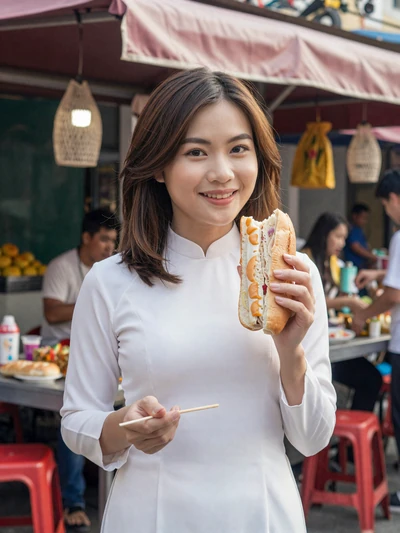
Ho Chi Minh City, Vietnam
Food blogger who documents her grandmother's recipes. Makes the best banh mi in the neighborhood and dreams of opening a family cafe.
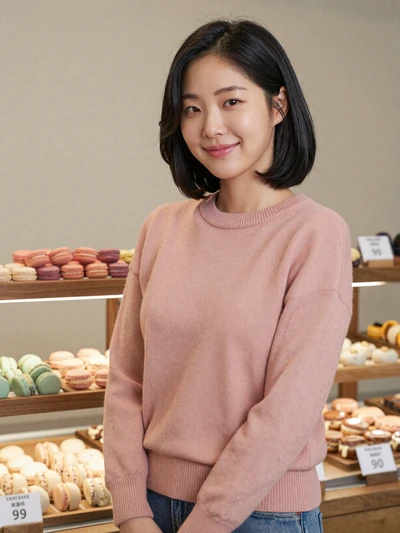 Online
Seoul, South Korea
Pastry chef specializing in traditional Korean desserts. Leads annual gimjang kimchi-making sessions with her family every November.
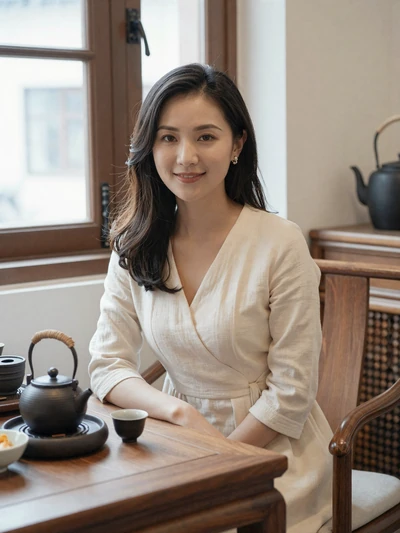 Online
Taipei, Taiwan
Tea ceremony instructor who pairs artisanal teas with handmade dumplings. Weekend hobby: exploring night markets for new flavor ideas.
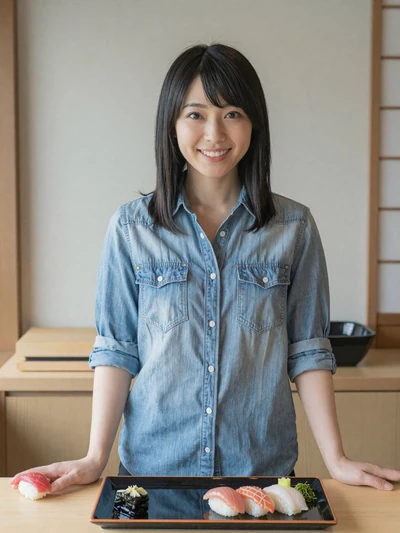 Online
Osaka, Japan
Sushi apprentice training under a master chef. Loves hosting temaki hand-roll parties at home and foraging for wild mushrooms in autumn.
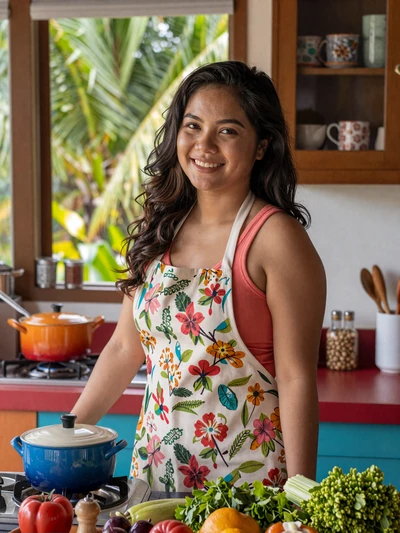 Online
Cebu City, Philippines
Home cook famous for her family's adobo recipe. Hosts weekly potluck Sundays with neighbors and loves teaching friends Filipino dishes.
 Online
Busan, South Korea
Seafood restaurant manager who sources fish daily from Jagalchi Market. Passionate about fermented foods and weekend hiking trips.
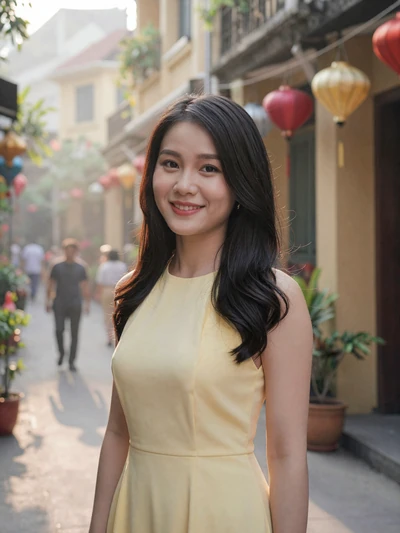 Online
Hanoi, Vietnam
University student studying nutrition who cooks phở every Sunday using her great-grandmother's century-old recipe and fresh market herbs.