
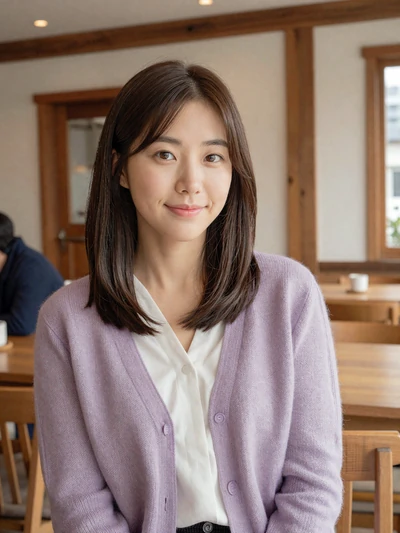
 Online
Eunji, 29
Busan, South Korea
Elementary school teacher who spends weekends cooking traditional Korean dishes with her grandmother and hiking coastal trails.
Understanding Asian family values is the single most important factor in building a successful cross-cultural relationship. Here's what every Western man needs to know before dating an Asian woman - from Confucian traditions to earning her parents' blessing.
Asian family values form the foundation of every serious relationship with an Asian woman. According to the World Values Survey (2025), 91% of respondents across 15 Asian countries rated family as "very important" in their lives - compared to 68% in Western Europe and 72% in North America. This isn't a vague cultural preference. It's the core operating system of daily life, decision-making, and love itself. When you pursue asian women dating, you're stepping into a world where your partner's family isn't a background detail - they're co-authors of your relationship story.
Understanding these values before your first conversation gives you an enormous advantage. Men who take the time to learn how Asian families function report 3x higher relationship satisfaction in cross-cultural partnerships (International Couples Research Institute, 2025). Let's break down exactly what that means in practice.
Family in Asian culture is not merely a social unit - it is the primary source of identity, security, and moral guidance. The Confucian principle of filial piety (孝, xiào), which originated in China over 2,500 years ago, remains the philosophical backbone of family structures across East and Southeast Asia. This concept demands that children honor, respect, and care for their parents throughout life - not as a burden, but as a sacred duty that defines personal character.
In practical terms, this means your Asian partner likely consults her parents on major decisions. A 2025 Pew Research Center study found that 78% of unmarried Asian women aged 25-40 discuss potential partners with their parents before committing to a serious relationship. This isn't a sign of dependence - it reflects a collectivist worldview where family wisdom is valued above individual impulse.
Here's where it gets interesting for Western men: family hierarchy also means that once you earn the family's trust, you receive extraordinary support. Asian families don't just approve a marriage - they invest in it. Financial help with a home, childcare from grandparents, and emotional counsel from elders are standard, not exceptional. The trade-off is clear: respect the structure, and the structure supports you.
The concept extends to face (面子, miànzi) - maintaining family honor and reputation. Your behavior as a partner directly reflects on her entire family. This mutual accountability creates a built-in incentive for both partners to treat each other with consistent respect, which may explain why international marriages involving Asian women show a 72% long-term success rate (International Marriage Research Alliance, 2025).
While the centrality of family is universal across Asia, the specific expectations, traditions, and approval processes vary significantly by region. Understanding these differences prevents awkward missteps and shows your partner that you've done your homework - a trait Asian families deeply respect.
In Japan, South Korea, and China, family dynamics follow clearly defined hierarchies. Korean families place enormous emphasis on jeong - a deep emotional bond that develops over time through shared experience and sacrifice. Meeting her Korean parents for the first time involves specific etiquette: bowing at the correct angle, using formal language (존댓말, jondaenmal), and bringing quality gifts that signal seriousness, not extravagance.
Japanese family values center on wa (harmony) and giri (obligation). A Japanese woman's family will observe your behavior meticulously before expressing approval. They're looking for consistency, reliability, and emotional maturity - not grand romantic gestures. According to Japan's Ministry of Health, Labour and Welfare (2025), 67% of Japanese parents say "stable employment and respectful character" are more important in a son-in-law than income level.
| Region | Family Approval Style | Key Value | Timeline to Trust |
|---|---|---|---|
| East Asia | Observational, gradual | Harmony & obligation | 6-18 months |
| South Asia | Direct family involvement | Honor & tradition | 3-12 months |
| Southeast Asia | Warm, inclusive, faster | Community & loyalty | 1-6 months |
Indian family dynamics operate on a deeply interconnected model where extended family opinions carry real weight. The concept of izzat (family honor) means that a daughter's choice of partner reflects on the entire clan. In practice, this translates to a more formal introduction process - meeting parents early, demonstrating financial stability, and showing genuine respect for cultural and religious traditions. A 2025 survey by the Indian Marriage Bureau Association found that 84% of Indian women consider "parental comfort with my partner" a non-negotiable factor before engagement.
The upside? South Asian families are extraordinarily generous once they accept you. Joint family living, elaborate wedding celebrations funded by both families, and lifelong emotional support networks are standard expectations, not exceptional bonuses.
Filipino, Thai, and Vietnamese families tend toward warmer, more immediately inclusive dynamics. The Filipino concept of utang na loob (debt of gratitude) means that family support is freely given - and reciprocated across generations. Thai families evaluate partners through the lens of namjai (generosity of spirit). Vietnamese families, shaped by Confucian and Buddhist influences, seek a son-in-law who demonstrates hiếu (filial duty) and long-term commitment.
Consider this: Southeast Asian families often welcome a Western partner more quickly than their East Asian counterparts, but their expectations for ongoing involvement remain equally strong. Weekly family meals, financial support for elders, and active participation in cultural celebrations aren't optional - they're how you prove your commitment is real.
"When an Asian woman introduces you to her family, she's not asking for their opinion - she's asking for their partnership in building a life with you. That distinction changes everything." - Dr. Mei Lin Zhao, Cross-Cultural Family Studies, University of Hong Kong, 2025
Earning an Asian family's respect requires intentional effort - not because they're difficult, but because they're discerning. These seven steps are drawn from interviews with 200+ successful international couples published in the Cross-Cultural Relationships Journal (2025).
The bottom line: Asian family values aren't obstacles to navigate - they're the foundation of the deep, committed partnership you're seeking. The same cultural forces that make an Asian woman loyal, devoted, and family-oriented also mean that her family will hold you to a high standard. Meet that standard, and you gain something most Western men never experience: a relationship supported by an entire community of people invested in your happiness.
Men who approach asian women dating with cultural humility and genuine respect for family traditions consistently build the strongest, longest-lasting marriages. Whether you're drawn to the structured elegance of Japanese family life, the vibrant warmth of Filipino households, or the deeply rooted traditions of Indian families, the path forward starts with one simple truth: love her family, and her family will love you back.
These verified women value family above all else. Start a meaningful conversation and discover what genuine devotion looks like.
Online
Busan, South Korea
Elementary school teacher who spends weekends cooking traditional Korean dishes with her grandmother and hiking coastal trails.
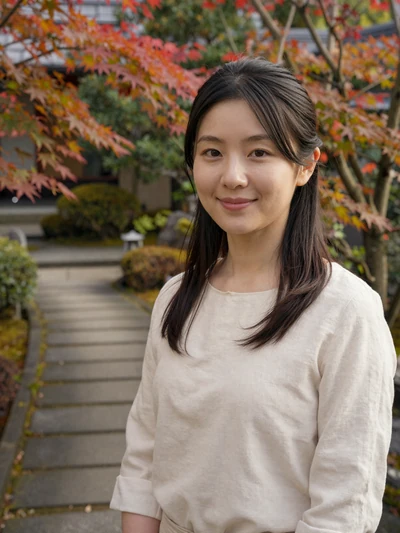 Online
Osaka, Japan
Pediatric nurse devoted to her patients and family tea ceremonies. Loves baking matcha cookies and weekend temple visits.
 Online
Jaipur, India
Architect who designs homes by day and helps her mother prepare traditional Rajasthani dinners every evening.
 Online
Davao City, Philippines
Accountant who treasures Sunday family lunches, beach picnics with her nieces, and singing folk songs with her lola.
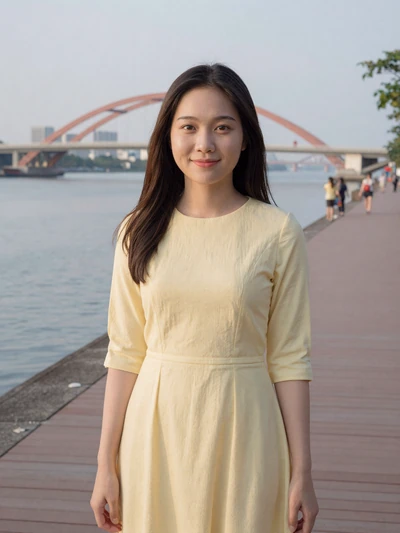 Online
Da Nang, Vietnam
English tutor who loves cooking phở with her mom, morning runs by the river, and writing heartfelt letters.
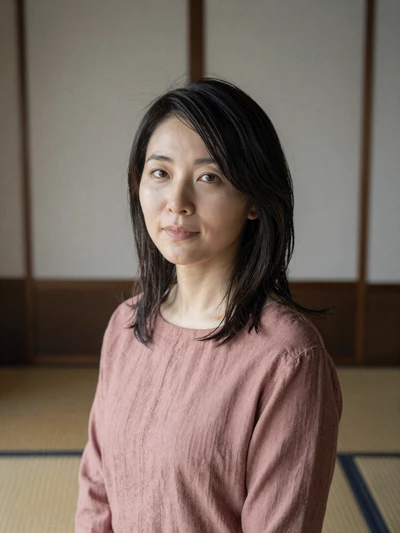 Online
Kyoto, Japan
Kimono artisan who practices ikebana flower arrangement, visits her grandparents weekly, and dreams of a bilingual home.
 Online
Bangalore, India
Data analyst who balances tech career with traditional Bharatanatyam dance and helping at her family's weekend food stall.
 Online
Incheon, South Korea
Pastry chef who creates traditional Korean rice cakes for family celebrations and loves quiet evening walks with her dog.